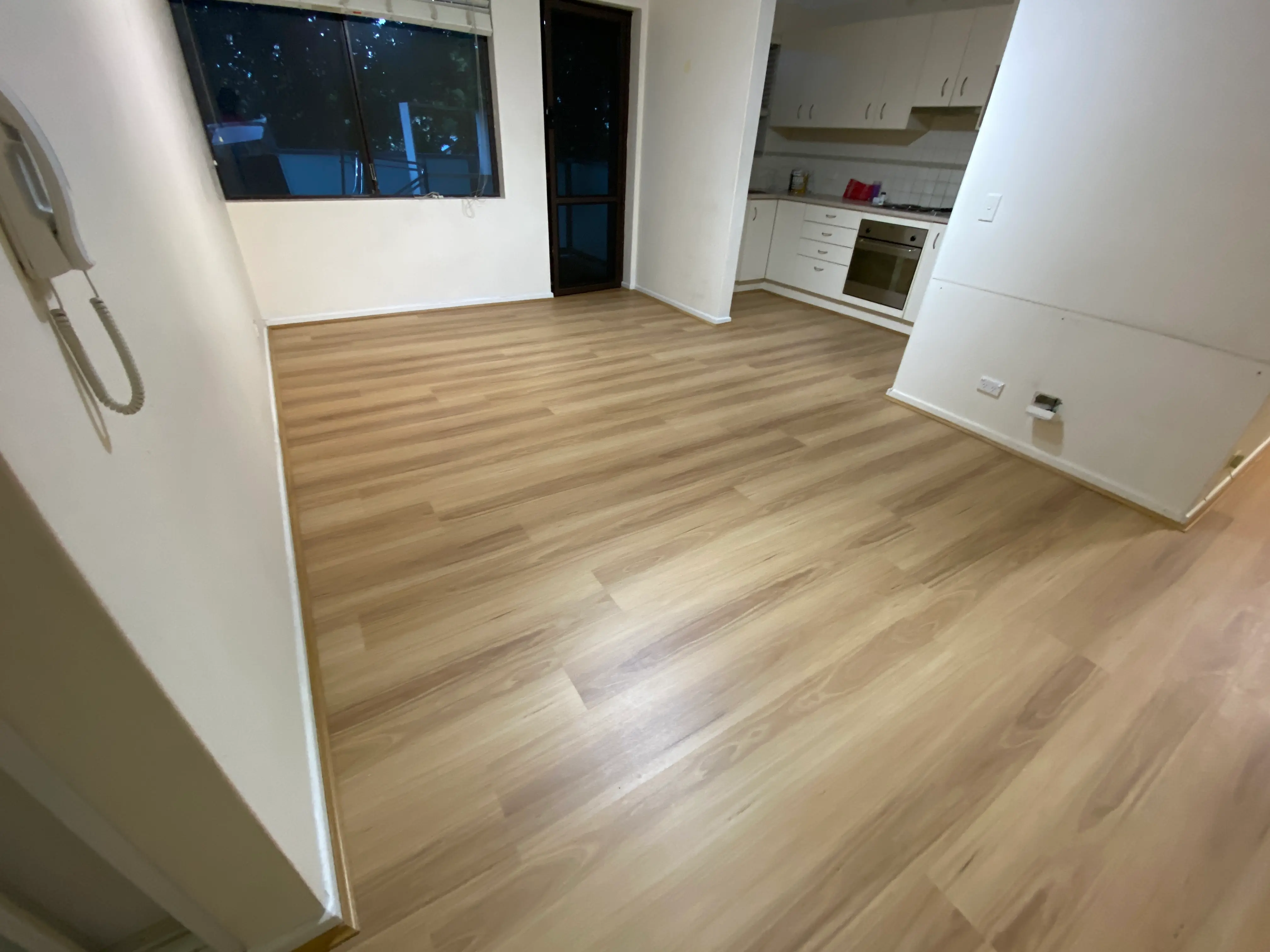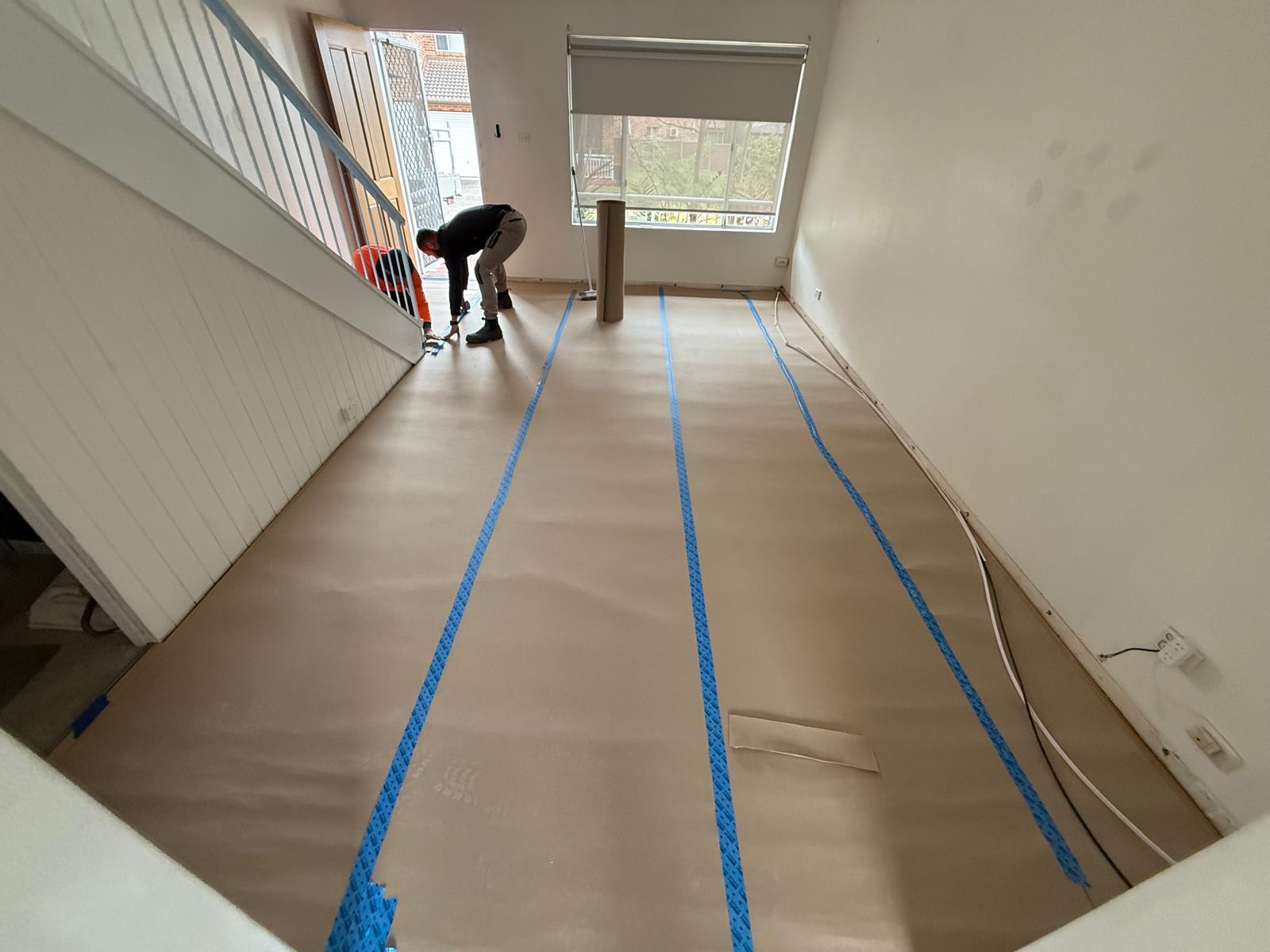
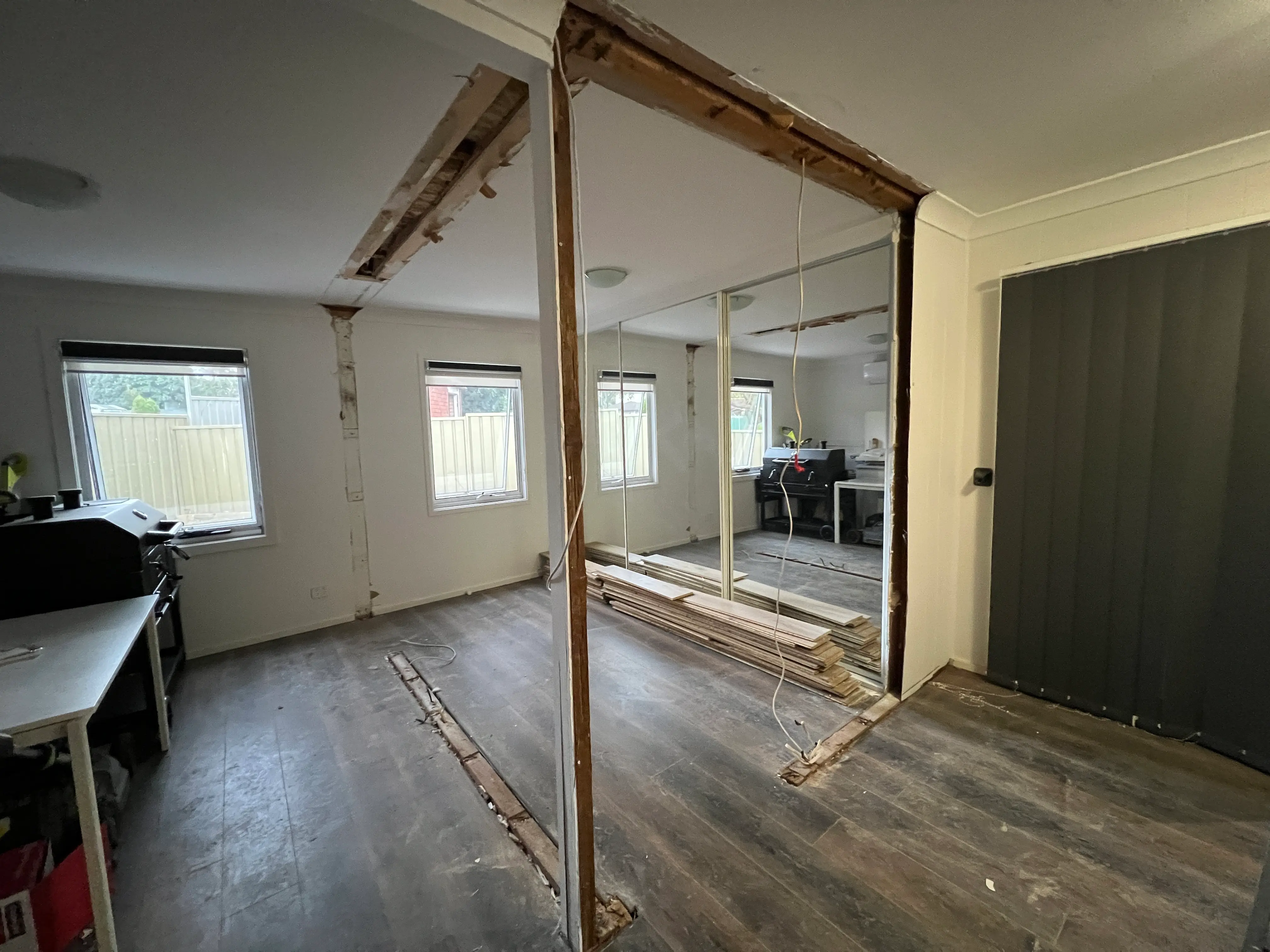
The decision between a knockdown rebuild and a renovation comes down to the condition of the existing home, what you want from the finished house, and how the numbers compare once both paths are scoped honestly. Location is often the reason to stay on the block either way. This guide sets out when renovating makes sense, when rebuilding is the clearer path, and the questions that should decide it before you commit.
When Renovating Makes Sense
Renovating is the natural path when the structure is sound and the bones of the house still have something to offer. Straight walls, a roof that can be repaired rather than replaced, and floor framing that can take the loads you need are a strong starting point. You are then paying to rework layout, services and finishes, not to invent a house that the existing fabric cannot support.
Good bones also include a plan that can be made to work. If moving a wall, joining living rooms or adding a modest extension would deliver how you live, you do not need to discard the dwelling to get there. Heritage character is another reason to keep the house: facades, hallway proportions and original joinery in Inner West and older Sydney suburbs are difficult to reproduce and often protected. Keeping that fabric, and modernising behind it, is a renovation brief, not a rebuild brief.
Time on the block matters too. If you already know the light, the neighbours and the way the garden works, a renovation lets you keep that knowledge. You also keep more of the embodied structure of the house. None of that is a reason to renovate a dwelling that is failing. It is a reason to look hard at whether the problems are cosmetic, spatial or truly structural before you assume the house has to go.
For a whole-home renovation of a house worth keeping, see /full-house-renovation/.
When a Rebuild Makes More Sense
A rebuild earns its place when the structure is poor: movement in the footings, widespread timber decay, a roof that cannot be made weathertight without replacing most of it, or services so outdated that they would be stripped in any case. At that point you are not renovating a house. You are assembling a new one inside an old shell, with the constraints of the old shell still in the way.
Layout can be the other trigger. Some dwellings were planned for a different way of living, with closed rooms, a kitchen isolated from the garden, and stairs that cannot move without taking half the house apart. If every option on the plan is a compromise, and you still would not have the home you want, fighting the layout year after year is a poor use of the budget. A new plan on the same block can orient living space, light and privacy from scratch.
Cost logic follows those conditions. When the scope of fixing, restumping, rewiring, replumbing and reworking every wet area starts to resemble building again, you should cost a knockdown rebuild as a real alternative, not as a last resort you never price. The rebuild is not automatically the larger spend, and the renovation is not automatically the smaller one. The comparison only works when both paths include the same outcome: a house that matches how you want to live.
For demolition and a new home on the same block, coordinated as one project, see /knockdown-rebuild/.
The Questions That Decide It
Start with structure. Can an engineer and a builder, looking at the footings, walls and roof, see a dwelling that will still be there in a couple of decades after a renovation, or are they looking at a frame that needs to be replaced in pieces? If the answer is pieces, those pieces add up. Ask for that view in plain language, not as a sales preference for one product over another.
How long you will stay changes the arithmetic even when the structure is middling. A shorter stay may favour a focused renovation that makes the house liveable and presentable. A longer stay may favour solving the layout properly, whether that is a deep renovation, an extension, or a rebuild. Location still sits underneath both choices: a block you want to keep is the reason either path is worth the disruption.
Be clear about the finished home. If you want to keep the street presence and the hallway, renovation is pointing at you. If you want a different number of storeys, a different orientation to the sun, or a plan the current walls cannot give you, rebuild is in the conversation. Write that brief down before you look at either set of drawings, so the drawings are answering a question you have already asked.
Getting an Honest Assessment
Bias creeps in when the only advice you hear comes from someone who only sells one outcome. A builder who renovates but never rebuilds will tend to see a renovation. A builder who only knockdown-rebuilds will tend to see a new house. Hearing both options from a team that actually delivers both is how you get a comparison that is about your dwelling, not about filling a particular pipeline.
An honest assessment looks at the house as found: structure, services, hazardous materials, heritage constraints, and what the planning controls allow on the lot. It also looks at you: how you live, how long you intend to stay, and which parts of the existing home you would miss. Those facts should be allowed to disagree with your first instinct. Plenty of owners arrive wanting a rebuild and leave with a renovation, or the other way around.
Ask for the recommendation in writing, with the reasons attached. If the advice is to renovate, you should know which elements are being kept and why they are worth keeping. If the advice is to rebuild, you should know what would make a renovation a poor spend. Then cost the recommended path, and cost the alternative at a sketch level if the decision is still close. Licensed trades, engineering and planning input belong in that conversation early, not after you have already demolished a house you might have kept.
Key Takeaways
- Renovate when the structure is sound, the plan can be made to work, and the character is worth keeping.
- Rebuild when the structure is poor, the layout cannot deliver the home you want, or fixing everything resembles starting again.
- Structure, how long you will stay, location and the finished brief are the questions that decide the path.
- Compare both options against the same outcome, not against a generic ranking of rebuild versus renovate.
- Advice is more useful when it comes from a builder who actually delivers both kinds of project.
Frequently Asked Questions
Ready for your kitchen renovation?
Get a free quote and practical guidance from Reno Right for your Sydney kitchen project.
Related Posts